
Finishing Details That Define Spaces
Trim installation in Amery for residential and commercial properties requiring clean transitions, architectural character, and professional finishing
Trim installation transforms unfinished construction into polished spaces by covering gaps between dissimilar materials, creating visual boundaries that define room proportions, and adding dimensional detail that complements architectural styles. Meinen's LLC installs interior and exterior trim across Amery that enhances both residential and commercial properties through precise fitting, clean lines, and attention to detail during finishing. Interior trim includes baseboards that protect wall bottoms from impact damage, door and window casings that frame openings with consistent reveal spacing, and crown molding that softens ceiling-wall transitions. Exterior trim involves corner boards that cover siding edges, fascia that encloses rafter tails, and window surrounds that add depth to flat exterior walls.
Proper trim installation requires measuring and cutting materials to achieve tight joints at inside and outside corners, selecting fastener placement that holds trim securely without splitting narrow stock, and filling nail holes with putty that accepts finish coats without telegraphing through paint or stain. The installation process accounts for wood movement: boards are allowed to acclimate to interior humidity levels before cutting, joints are positioned to accommodate seasonal expansion and contraction, and finish nails are sized appropriately for material thickness and attachment surface.
Schedule a trim installation consultation to discuss options that complement your existing architectural features and finish preferences.
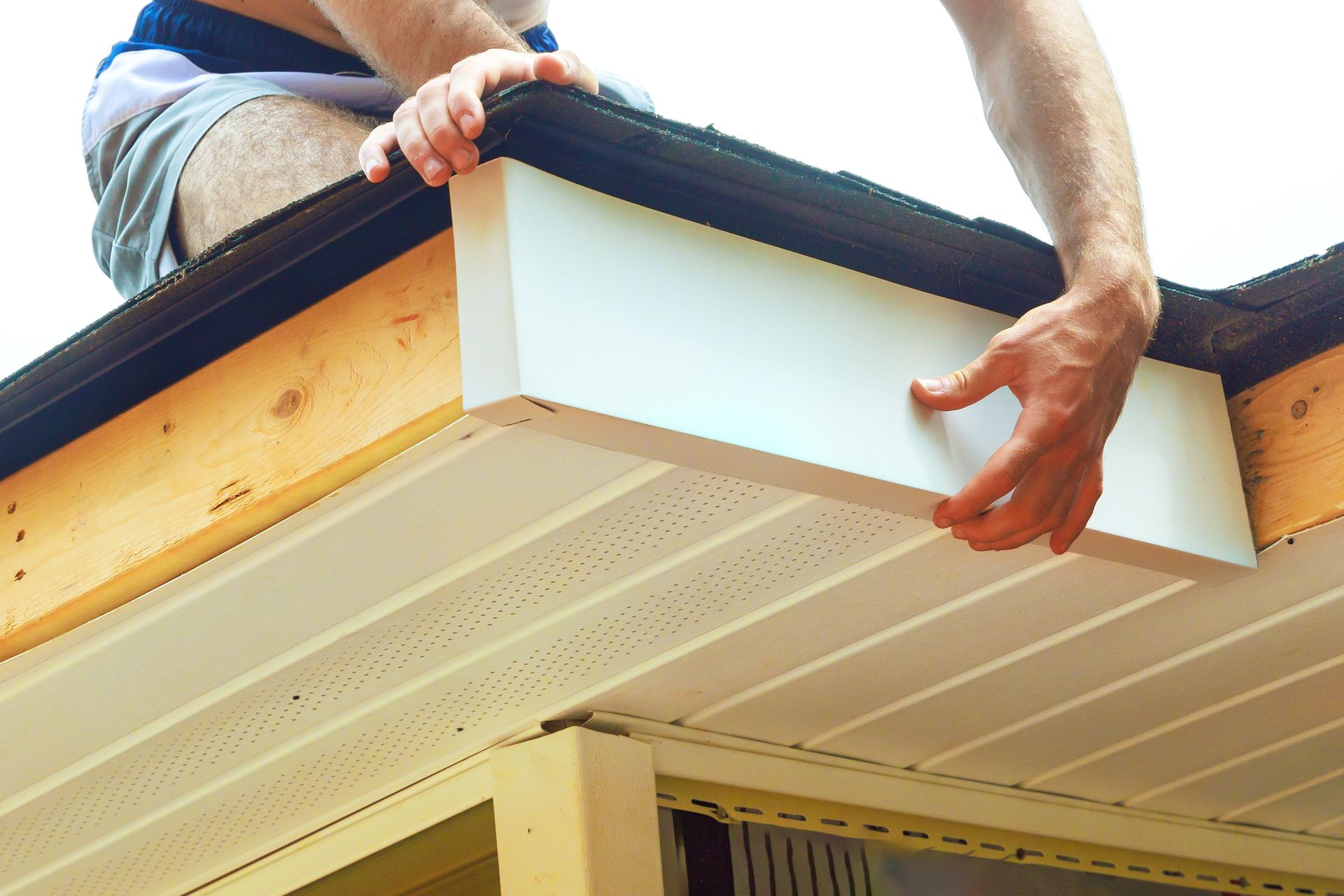
Trim installation begins with layout planning that maintains consistent heights and proportions throughout connected spaces, followed by precise cutting using miter saws and coping techniques that create tight-fitting joints even when walls aren't perfectly square. Meinen's LLC focuses on precision fitting that eliminates visible gaps at corners, ensures uniform reveal spacing around door and window openings, and produces clean lines where horizontal and vertical trim elements meet. Quality materials that support long-lasting results include finger-jointed pine for paint-grade applications, solid hardwoods for stain-grade work, and moisture-resistant composites for exterior installations exposed to weather.
Once installation completes, rooms appear finished rather than under construction, with clean transitions between walls and floors, door openings that look intentional rather than rough-cut, and ceiling perimeters that add visual interest through dimensional shadows. Trim conceals construction gaps that would otherwise collect dust, protects vulnerable edges from impact damage during furniture movement, and provides mounting surfaces for decorative elements or functional hardware. The finished appearance reflects careful workmanship: joints align without offset, paint lines remain crisp where trim meets walls, and profiles maintain consistent depth throughout installations.
Exterior trim installation adds weather protection by directing water away from vulnerable seams, covering exposed wood grain at siding edges, and providing substantial material thickness that resists impact from wind-blown debris. The process includes caulking vertical seams and horizontal joints to prevent moisture intrusion while allowing necessary drainage paths.
Common Questions About This Service
Property owners in Amery typically ask about material choices, finish options, and what distinguishes quality trim work from basic installations.
What trim material performs best for exterior applications?
Cellular PVC and composite trim materials resist rot and insect damage better than wood, maintain dimensional stability through seasonal temperature changes, and accept paint finishes that last longer than coatings applied to moisture-sensitive lumber.
How does trim installation sequence coordinate with other finishing trades?
Trim installation typically follows drywall finishing and precedes final paint or stain application, allowing painters to achieve clean cut-in lines where trim meets walls and minimizing damage to finished surfaces during trim nailing and fitting.
When should damaged or outdated trim be replaced?
Replace trim showing rot from water exposure, splits from improper nailing, or design styles that no longer match updated interior aesthetics, particularly when renovating spaces where mismatched trim profiles create visual discontinuity.
Why do some trim joints open up after installation while others remain tight?
Joint separation occurs when materials weren't properly acclimated before installation, when seasonal humidity changes cause dimensional movement, or when fastening techniques don't account for wood expansion perpendicular to grain direction.
What preparation helps trim installation proceed efficiently?
Complete all drywall repairs and wall painting before trim installation begins, verify that door and window jambs are installed and shimmed properly, and remove existing trim carefully if you intend to reuse materials in other locations.
Meinen's LLC maintains reliable communication throughout trim projects, coordinating work timing with other trades and providing updates as installations progress. Arrange an estimate to review trim solutions that add character and finished appearance to your property.